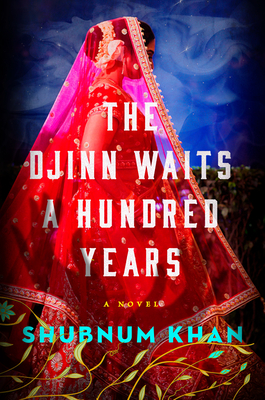
Shubnum Khan’s The Djinn Waits a Hundred Years is a quiet but beautiful story about the different ways grief and pain can haunt us.
Told in dual timelines, the story begins in 2014, as young teen Sana and her father move into an apartment in the rundown mansion of Akbar Manzil in a seaside town in South Africa. They’re both still struggling in their own ways with the death of Sana’s mother—her father mourning the connection he lost, Sana the connection she never really felt, not to mention the guilt she bears for surviving while her twin died in infancy. The other tenants in the mansion have lost things as well—family, love, dreams—and have seemingly resigned themselves to fading out of the world. Even the mansion itself is weighed down by its past and seems nearly ready to close itself up. Sana, however, is not yet resigned; she pokes around the mansion, trying to uncover its history and learn its secrets, until she comes across the key to a long-locked room, frozen in time, with old photos, notes, and even diaries, which tie in the second timeline, following the original inhabitants of Akbar Manzil from its creation up to the tragedy that led to their departure in 1932.
The 1932 timeline is the one that I found most compelling, as it has a little stronger narrative, while the 2014 one is more focused on character studies than plot. All the characters are interesting though, and have you frustrated with them one minute and pitying them the next. What is weird is that the least developed character is the titular djinn. In fact, if you removed the djinn from the story, it would almost not change anything. The djinn is an observer, trapped in the house by its grief, mostly invisible and unable to communicate with the inhabitants. I wish we got more information about its history beyond its ties to the house.
That is my one complaint with this story; it is inaccurately titled. The djinn is more plot device than character, and according to the math, it waited 82 years, not 100. Title aside though, it is a great read, with something for fans of both historical fiction and magical realism. All in all, I give it 3.5 stars out of 5.
 Christian Douglass Writes