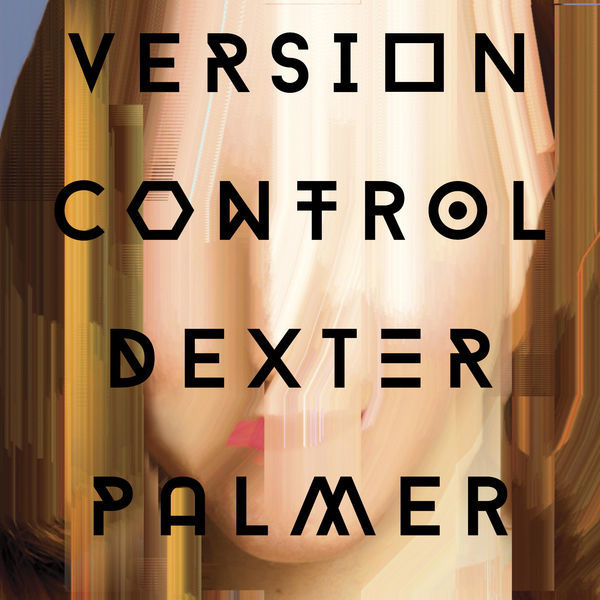
What even was this story?
I listened to the audiobook from Audible, and while the performance was very good, I think the story itself could have benefited from further editing. I think it’s trying to be too many things at once, or say too many things at once, and the end result is a mixed bag.
Version Control follows Rebecca Wright, a wife, mother, and customer support employee for an online dating service. Her husband, Phillip, is a physicist who has spent years working on a “causality violation device,” something his team would very much prefer laymen not refer to as a time machine. Through multiple characters’ experiences, the book looks back on the years leading up to Rebecca & Phillip’s meeting up through their present, showing us how they got to where they are now, along with giving us an idea on the progression of Phillip’s research, and the state of the world in which they live.
Besides what felt like (to me anyway) a fairly fresh and clever take on how time travel might work, the novel presents a lot of other interesting implications about science, technology, and information and how we allow them to be used, both personally and as a society, that I think are worth discussing. Little things about how self-driving cars may affect insurance liability cases, scary real things about how corporations view our personal data, and unsettlingly possible things about how an idea of a person could eventually seem more real than the actual person, and that other people might get a say in controlling or editing that idea. But it also spends a lot of time on tangents about ennui, race, dating, philosophy, and other topics that, while perhaps relevant to the characters’ psychology, didn’t feel absolutely necessary to the plot, at least not to the degree of page time they were given. At one point I wondered if this is what science-fiction by Victor Hugo would feel like.
Part One struggled the most because not only was it weighed down by these side topics, there was also an excess of exposition to get through. I was willing to forgive the exposition at first because, being a book about time travel, I had a hunch/hope that knowing all of the minutiae might eventually pay off by exposing differences in the timeline. Having now finished the book, I believe that some of that exposition could have been cut without losing any effect down the line. Fortunately, Part Two was a little more focused than Part One, which helped pick up the pace a bit, but it still never quite zeroes in on a precise theme or central idea, so I still can’t say with confidence what this book was actually about. A marriage? Time travel? Humanity? Technology?
I’m giving this one 2.5 stars. There are some intriguing concepts in this book, but I think the story would have been better served by streamlining them. As it stands, Version Control seems to be trying to say so much that it all gets lost in the noise.

